Lifecycle Impact: Your Sustainable Duffle Bag For Luggage
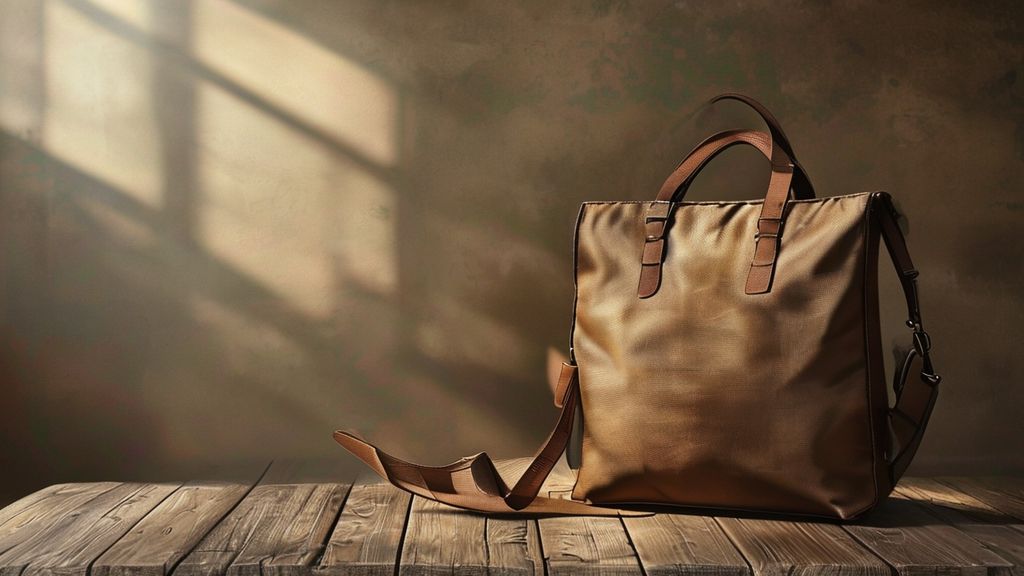 When you prepare for a trip, the gear you choose has an impact beyond just holding your clothes. Every item has a history that starts long before it reaches store shelves. This is especially true when you select a duffle bag for luggage, as its environmental footprint stretches from the extraction of raw materials to its eventual disposal.
Understanding the lifecycle of your travel gear allows you to make informed decisions. By examining each stage—sourcing, manufacturing, distribution, usage, and end-of-life—you can determine the true cost of the product. This analysis helps you move away from fast fashion trends and toward items that offer lasting value and reduced ecological harm.
Key Takeaways
- Material Matters: The choice between virgin plastics, organic cotton, and recycled fabrics defines the initial carbon footprint.
- Production Impact: Manufacturing processes consume vast amounts of water and energy, often more than the material extraction itself.
- Longevity is Key: Extending the life of a bag is the most effective way to lower its overall environmental impact.
- End-of-Life: Most travel gear ends up in landfills; selecting recyclable or biodegradable materials is essential for the future.
Raw Material Extraction And Sourcing
The first stage of any product lifecycle involves gathering the necessary resources. For travel bags, this usually involves synthetic polymers or natural fibers. The environmental cost varies significantly depending on what the manufacturer chooses to use.
If you look at standard options, they often rely on:
- Virgin Polyester and Nylon: These are petroleum-based products. Extracting crude oil to create these fibers releases greenhouse gases and depletes non-renewable resources.
- Conventional Cotton: While natural, regular cotton requires massive amounts of water and pesticides to grow.
However, a shift toward sustainability has introduced better alternatives:
- Recycled PET (rPET): This fabric comes from recycled plastic bottles. It reduces the demand for new petroleum and keeps plastic out of landfills.
- Organic Canvas: Grown without harmful chemicals, this material supports better soil health and uses less water.
- Regenerated Nylon: This material uses waste such as fishing nets to create new, durable yarn.
The Manufacturing Process And Energy Use
Once the materials are ready, they move to the production phase. This stage involves spinning, weaving, dyeing, and assembling the final product. It is often the most energy-intensive part of the lifecycle.
Key environmental factors during manufacturing include:
- Water Consumption: Dyeing fabrics requires thousands of liters of water. Facilities without proper filtration systems may release toxic chemicals back into local waterways.
- Energy Emissions: Factories run on electricity. If this power comes from coal or gas, the carbon footprint of the bag increases.
- Chemical Treatments: Many travel bags receive water-resistant coatings. Traditional coatings often contain PFCs (perfluorochemicals), which persist in the environment for a long time.
You should look for brands that minimize these impacts. Factories that use solar power or closed-loop water systems significantly reduce the damage caused during this phase.
Distribution And Transportation Logistics
After the bag is made, it must travel to a warehouse and then to you. This is the distribution phase. The distance the product travels and the method of transport play a large role in its carbon score.
Consider the following logistics factors:
- Shipping Method: Air freight generates far more emissions than ocean freight. Brands that plan inventory well can afford to use slower, cleaner shipping methods.
- Packaging: Single-use plastic bags and Styrofoam fillers add immediate waste.
- Last-Mile Delivery: The final drive to your doorstep contributes to urban pollution.
You can reduce this impact by choosing standard shipping options instead of express air shipping. Additionally, you should favor brands that use biodegradable or minimal packaging to protect their goods.
Usage Phase And Product Longevity
The usage phase is where you have the most control. The most sustainable product is one that you do not need to replace. A cheap bag might last one year, but a well-made one could last a decade or more.
Longevity reduces the need for new production. When you invest in a high-quality duffle bag for luggage, you contribute to a circular economy by keeping the item in use for years.
Factors that extend the usage phase include:
- Durability: Reinforced stitching, heavy-duty zippers, and abrasion-resistant fabrics prevent early failure.
- Repairability: Brands that offer repair services or sell spare parts help you fix issues rather than discarding the whole bag.
- Versatility: A bag that works for the gym, weekend trips, and air travel removes the need to buy multiple items.
End-Of-Life Disposal And Recycling
Eventually, every product reaches the end of its useful life. This stage is often the most problematic for travel gear. Most bags consist of mixed materials—metal zippers, plastic buckles, and synthetic fabrics—which makes recycling difficult.
When assessing the lifecycle, consider where the bag will go:
- Landfill: This is the most common destination. Synthetic bags can take hundreds of years to decompose.
- Incineration: Burning waste generates energy but releases pollutants if not managed strictly.
- Recycling: True recycling requires the bag to be disassembled. Very few facilities can handle this for complex luggage.
- Upcycling: Creative reuse turns old bags into new items like pencil cases or smaller pouches.
Identifying Eco-Friendly Duffle Options
Finding a truly sustainable bag requires careful research. You must look past marketing buzzwords and check for verifiable standards.
Certifications To Watch For
Third-party organizations audit factories and materials to confirm claims. Look for these labels when shopping for eco-friendly duffle options:
- Bluesign: guarantees that the manufacturing process is safe for the environment and workers.
- Oeko-Tex Standard 100: Verifies that the fabric is free from harmful chemicals.
- Global Recycled Standard (GRS): Tracks recycled content from the source to the final product.
- Fair Trade Certified: Confirms that the people making the bag earn fair wages and work in safe conditions.
Material Comparisons
When comparing eco-friendly duffle options, check the tag for specific compositions:
- Hemp: Extremely durable and requires very little water to grow.
- Cork: A renewable alternative to leather that is water-resistant.
- TPU Coatings: A safer alternative to PVC for waterproofing.
Frequently Asked Questions
What is the most sustainable material for travel bags?
Recycled polyester (rPET) and organic cotton canvas are among the best choices. They balance durability with reduced resource extraction. However, the most sustainable material is one that lasts a long time, so durability should always be a priority alongside material origin.
How do I dispose of an old duffle bag responsibly?
Check if the manufacturer has a take-back program. Some brands will accept old gear for recycling or refurbishment. If that is not an option, look for local textile recycling bins or donate the bag if it is still usable.
Does a higher price mean a bag is more sustainable?
Not always. A high price can reflect brand prestige rather than ethical production. However, fair labor and eco-friendly materials cost more to produce than cheap alternatives. You should look for transparency in the supply chain rather than judging solely by price.
Why are zippers often the first thing to fail?
Zippers endure high stress and frequent friction. Low-quality zippers often use weak metals or plastics that warp over time. Selecting bags with YKK zippers or similar industrial-grade hardware is a simple way to confirm the product is built to last.
The Future Of Responsible Travel Gear
The travel industry is slowly moving toward better practices. As consumers demand more transparency, companies are responding with innovative materials and cleaner supply chains. Your choices drive this change. By evaluating the entire lifecycle of your luggage—from the raw fibers to the final disposal—you participate in a movement that values the planet as much as the destination.
Focusing on durability, responsible sourcing, and ethical manufacturing ensures that your travel footprint remains as light as possible. Making these considered choices today protects the destinations you plan to visit tomorrow.